About the Program

Training family physicians for the Upper Midwest since 1973.

Sioux Falls Family Medicine Residency is a three-year ACGME-accredited program jointly sponsored by Avera Health and Sanford Health and affiliated with the USD Sanford School of Medicine. We accept 9 new residents a year and have graduated 500+ physicians — most of whom practice across South Dakota and its neighboring states.

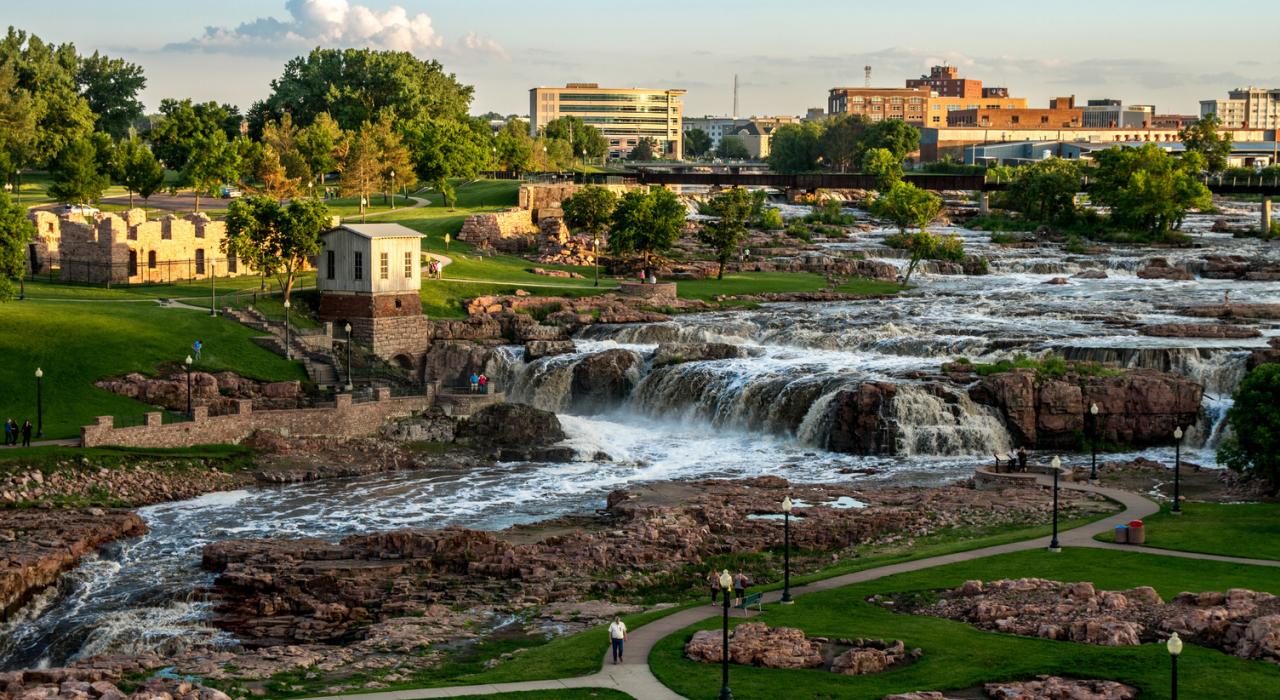
The Big Sioux River winding through downtown Sioux Falls

Our mission

Train allopathic and osteopathic family physicians who can practice anywhere in the Upper Midwest — especially the places that need them most.

Evidence-based medicine. Real patient care. Community service. A curriculum built for rural and regional practice, not just any office in any city.

A half-century in Sioux Falls

Founded in May 1973. Still built on the same conviction.

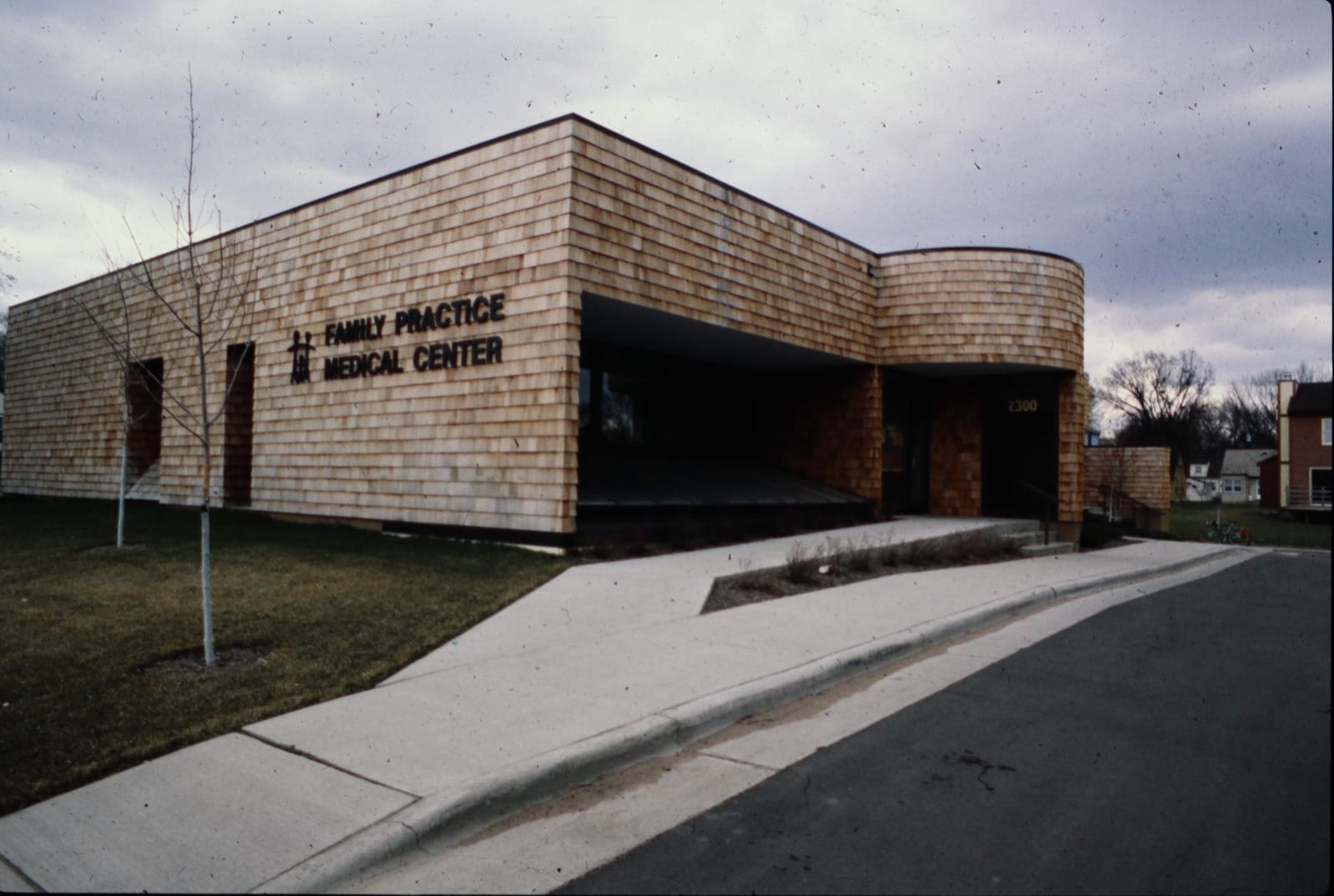
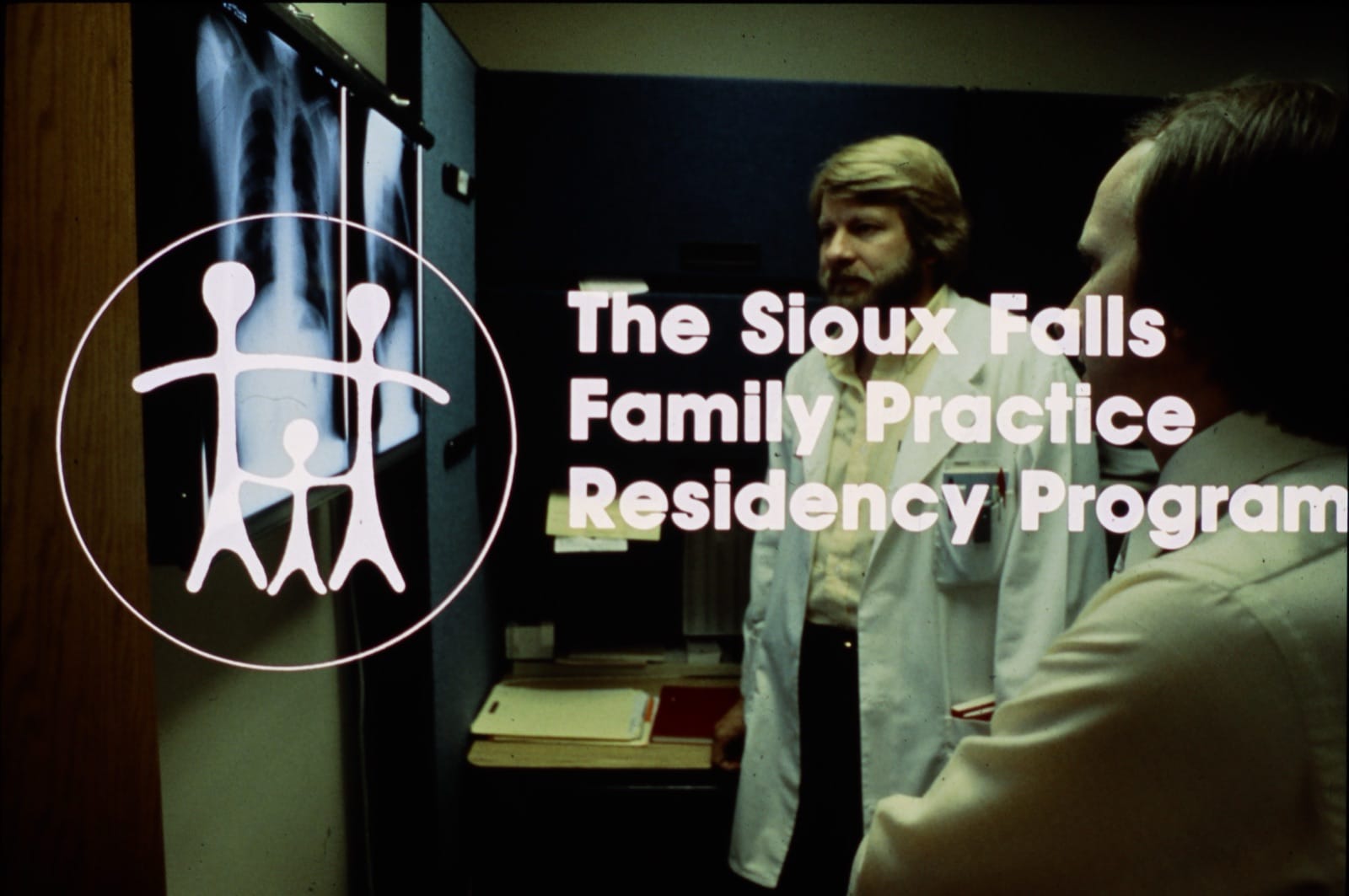
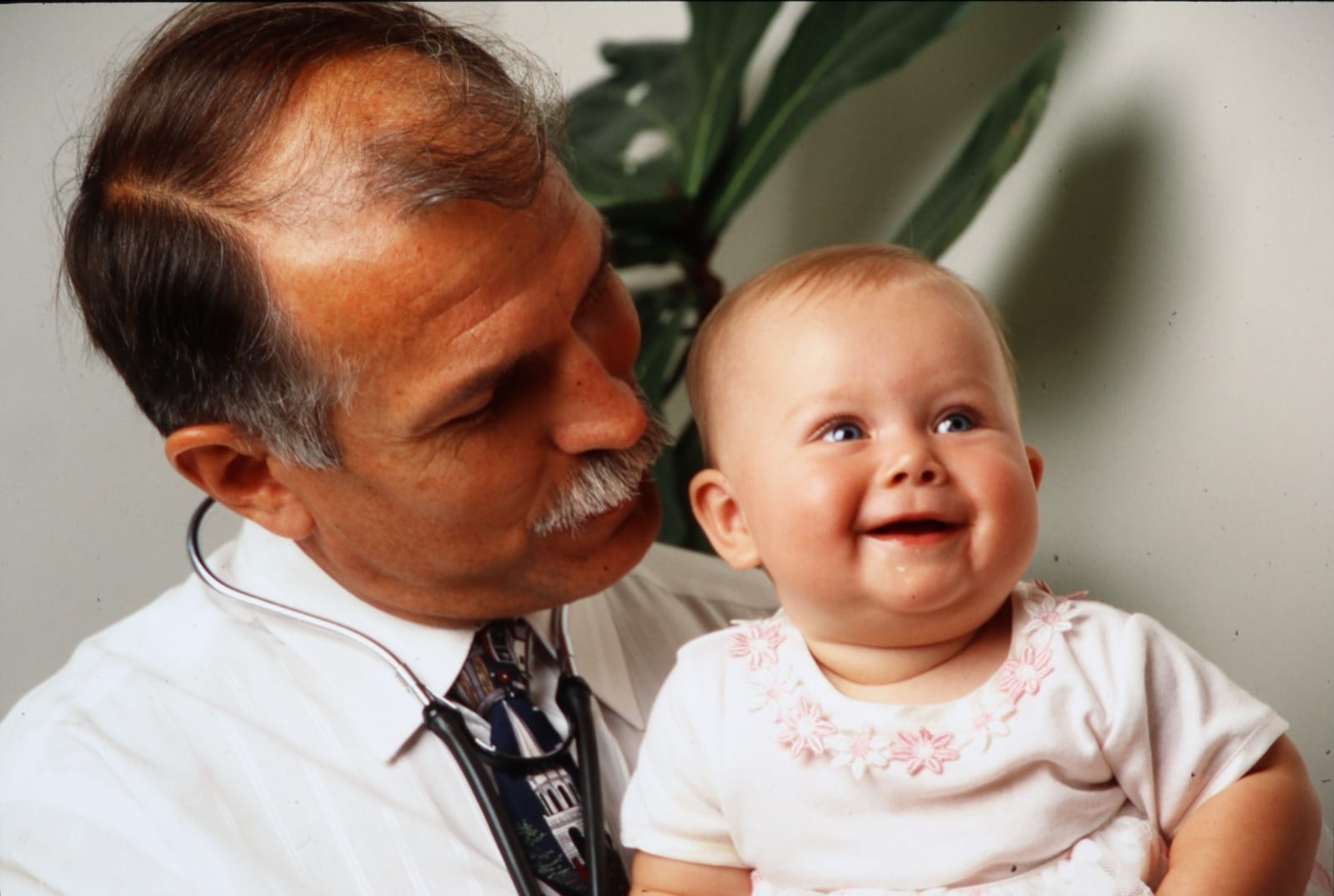
The Sioux Falls Family Medicine Residency was established in May 1973 to solve a specific problem: rural communities across the Upper Midwest needed family physicians who were trained for that context, not retrofitted for it. Over 50 years and 500+ graduates later, that's still the program's job.

We're jointly sponsored by Avera McKennan and Sanford Health — two of the region's largest health systems, with a combined hospital capacity of nearly 900 beds. Residents train across both, plus continuity clinics at the Center for Family Medicine and Falls Community Health Center. The program is affiliated with the University of South Dakota Sanford School of Medicine and fully ACGME-accredited.

Roughly 80% of our graduates stay in South Dakota, Iowa, Nebraska, or Minnesota. That's not a marketing line — that's the program doing what it was built to do.
Our heritage

The same program, half a century later.

What we focus on

Four areas the program is built around

Every rotation, every elective, and every faculty hire ladders up to these four commitments. They're not bullet points — they're the program.

Robust OB training

55 / yr

First-year deliveries (avg.)

Continuity OB starts in Year 1 with a weekly clinic for uninsured and low-income mothers. First-year residents average 13 continuity deliveries and 55 total deliveries — far above what most programs offer.

Strong procedural skills

5

Certifications covered

ATLS, ALSO, NRP, PALS, ACLS — all covered. You graduate able to do the procedures that rural and small-city family medicine requires, not just refer them out.

Care of the underserved

FQHC

Embedded in curriculum

Falls Community Health Center is a federally-qualified health center built into the curriculum. You'll see Sioux Falls' refugee population — clinical diversity most rural programs never encounter.

Integrated behavioral health

On-site

Behavioral health director

Dr. Aaron Bergman, PhD, directs behavioral health on-site. Mental health teaching is woven through the residency, not added as a separate rotation.

Our objectives

How we train, in plain language

Competency-based training

Milestones over hour-counts. You progress when you've demonstrated the skill, not when the calendar says so.

Built for rural and regional practice

Every rotation answers the question: will this prepare you to be the only family doc in the room?

Self-directed, lifelong learning

Heavy noon conference cadence and journal clubs build the habit of staying current after residency, not just during it.

Evidence-based, preventative care

Comprehensive care across the lifespan, grounded in current evidence, not just inherited practice patterns.

Patients of every age and setting

Newborns to geriatrics. Outpatient continuity, inpatient teams, OB, ED. A genuinely full-scope panel.

Holistic, biopsychosocial model

Behavioral health is integrated, not bolted on — our director of behavioral health is in the building.

Life in the program

A program small enough to know you, in a city large enough to want to stay in.

Nine residents per class is a deliberate size. It's small enough that your attendings know who you are by the second week, and large enough that you have a cohort to lean on at 2 a.m. Resident friendships form on their own — they don't have to be programmed in.

Each year the program funds a three-day resident retreat at a nearby resort, selected by the residents themselves. Faculty are explicit about being available — autonomy is encouraged, but you're not figuring things out alone.

Outside the hospital, Sioux Falls is the kind of place residents tend to stay in after they finish. Affordable cost of living, real outdoors, a small downtown that's grown up around the Big Sioux River, and four semi-pro sports teams. South Dakota has no state income tax.

The Falls of the Big Sioux River
Sunset over the Arc of Dreams sculpture
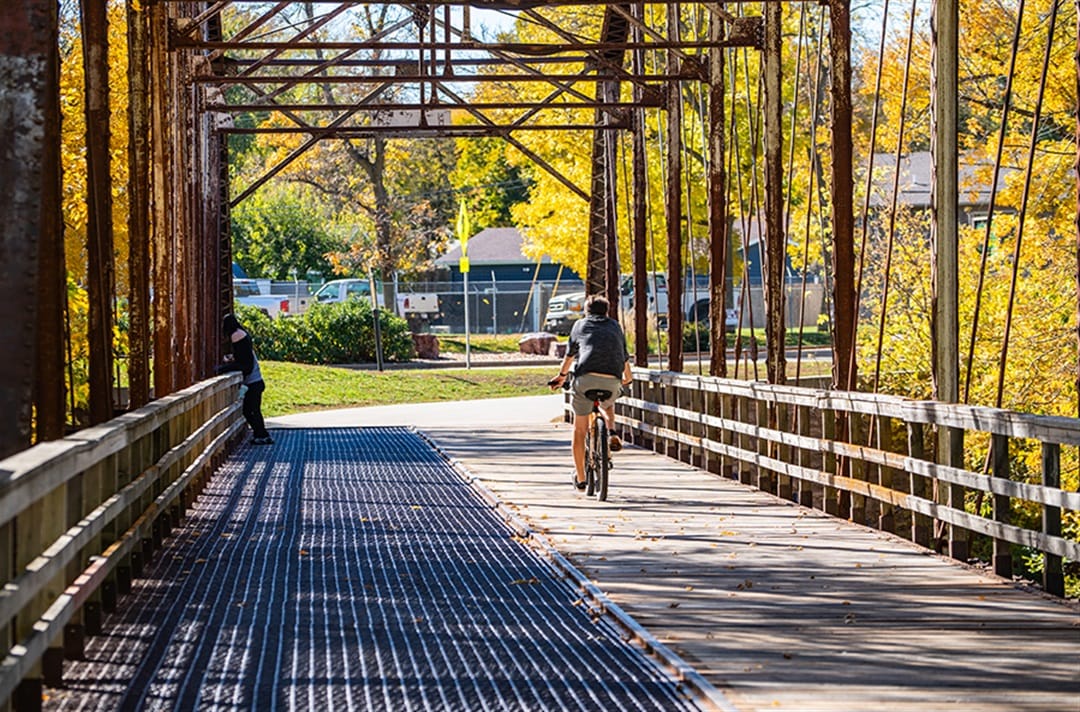
The Sioux Falls bike trail system
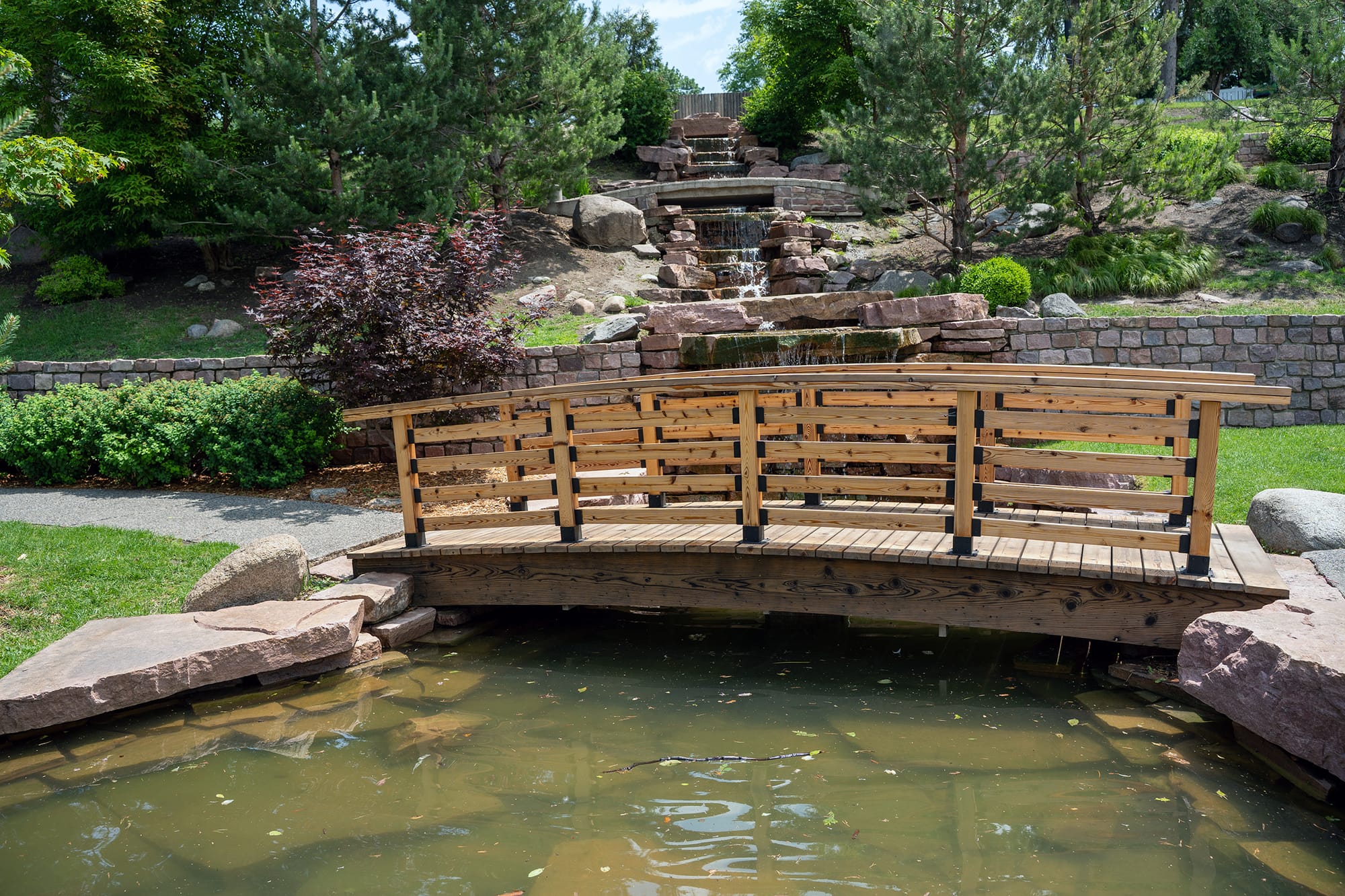
Terrace Park Japanese Gardens

The best way to know the program

Show up and rotate with us.

An afternoon shadow, a 1-week visit, or a full 4-week elective — we'll match the format to where you are in your training.